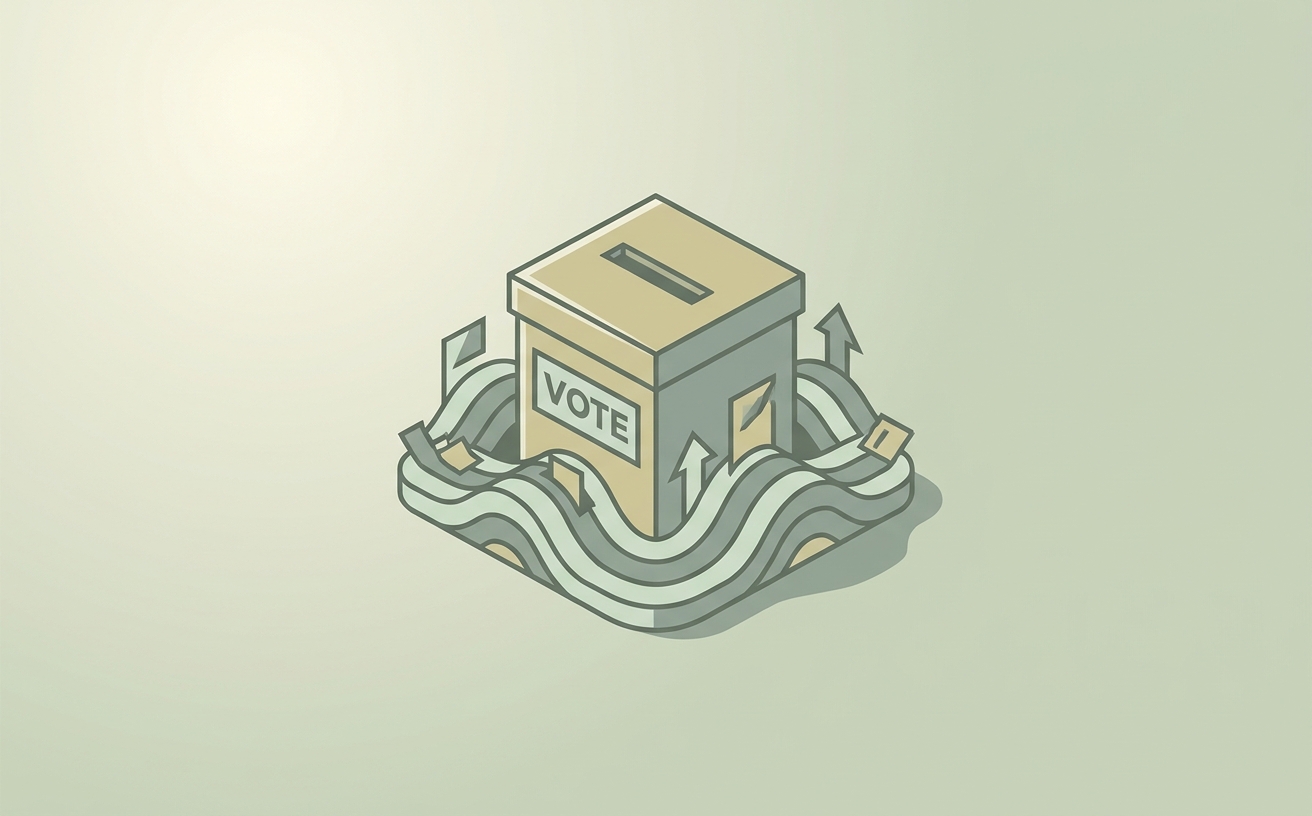
If you live in New Brunswick, you know the fracking debate is heating up again. Now, environmental advocates say the provincial government’s recent public opinion survey on the fracking moratorium is heavily biased.
According to a recent report by CBC News, critics argue the survey fails to capture an accurate picture of public sentiment.

The Problem with the Wording
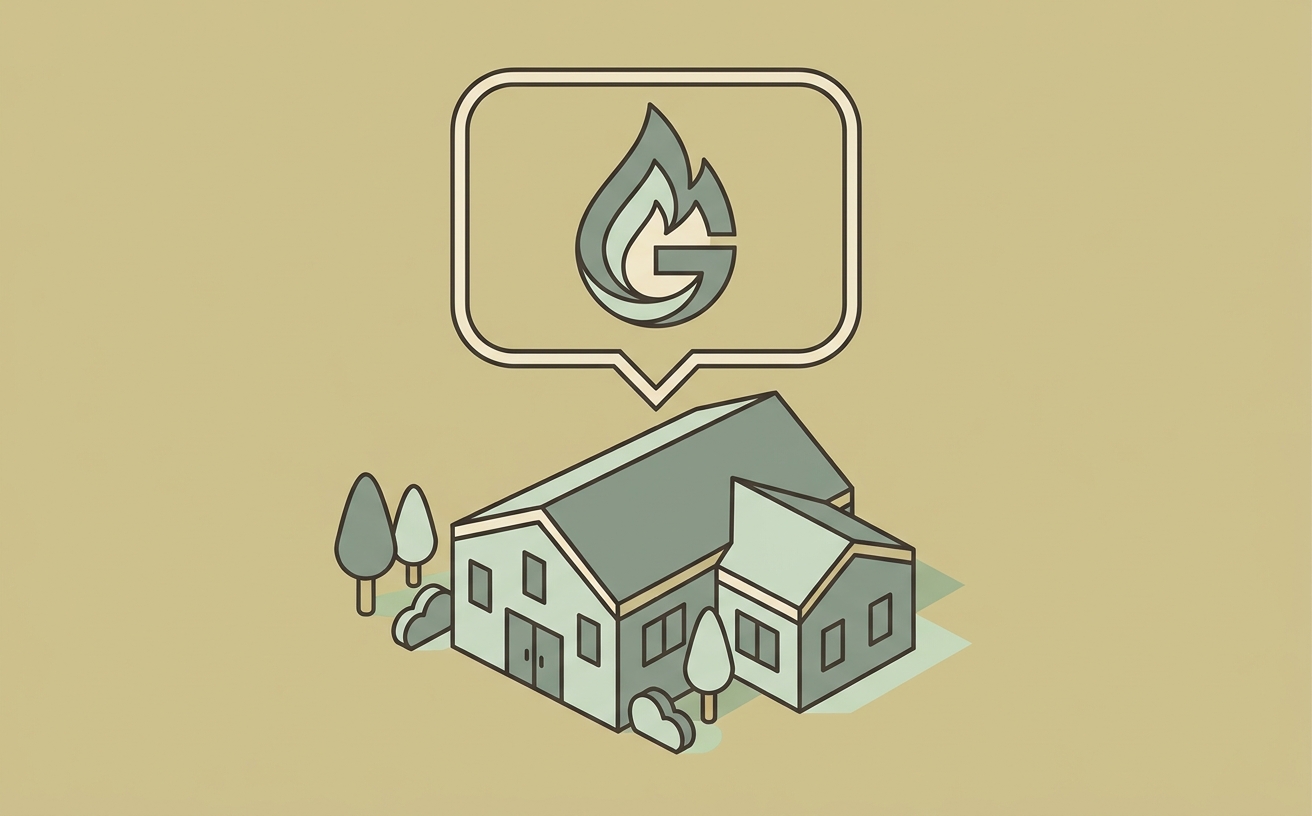
The survey closed on October 23. It asked respondents about their views on natural gas development rather than using the terms fracking or hydraulic fracturing. Bev Gingras, director of the Conservation Council of New Brunswick, points out a major issue with this approach. She notes the word natural carries a positive connotation and often disconnects from the reality of fracking.
The survey also included leading questions. One question asked respondents to rate the importance of natural resource revenue for funding public services like health care and education. Louise Comeau, a senior adviser at the Re.Climate Centre at Carleton University, says this tactic activates security threats, which causes social values like environmental protection to drop.
Security Flaws and Short Timelines
The survey lacked basic security measures. Anyone could fill it out multiple times. Comeau highlights this flaw, stating she could easily submit 50 responses herself. She believes the government owes New Brunswickers a legitimate survey to gauge real public opinion.
Government spokesperson Alycia Bartlett defended the process. She stated the survey is just one part of a broader review that includes engagement with First Nations and affected communities. However, the government has not provided updates on the review’s progress since Premier Susan Holt announced it in August. The province plans to make a final decision by January.
Calls for an Independent Review
Gingras wants an independent review of the moratorium. She wants to ensure the government collects data rigorously and accurately.
In 2015, a commission established five conditions the province must meet before lifting the moratorium. These conditions include securing a social licence, creating a leading regulatory regime, planning for wastewater disposal, consulting First Nations, and establishing a proper royalty structure. Gingras states the province has not met any of these conditions.
Frequently Asked Questions
Why are critics calling the New Brunswick fracking survey biased?
Critics say the survey uses leading questions and the term natural gas development instead of fracking, which skews public responses.
When will the government make a decision on the fracking moratorium?
Premier Susan Holt expects to make a final decision on whether to lift the moratorium in January.
What are the five conditions for lifting the moratorium?
The 2015 conditions require a social licence, a strong regulatory regime, wastewater disposal plans, First Nations consultation, and a fair royalty structure.
Way to go mislead the public using words, other than FRACKING – when you know that WE DON’T WANT FRACKING IN NEW BRUNSWICK 😡