
The City of Saint John is urging drivers to stay alert and keep their vehicles off railway tracks. With roughly 30 public rail crossings scattered across the city, you likely cross them daily. However, moving onto the tracks when traffic is backed up creates a serious hazard.
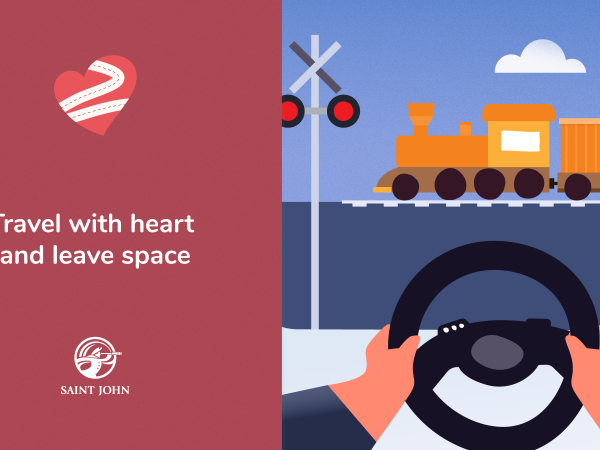
Train safety is a growing concern across Canada. According to the City of Saint John, crossing accidents have jumped by approximately 20 percent since the 2020 to 2021 reporting period. Trespassing incidents also continue to rise, with over 90 reported annually. These mistakes often lead to severe injuries or death.
Essential Safety Rules for Drivers
The city emphasizes several key practices to keep you safe:
- Never stop on the tracks. If traffic is congested, wait behind the line until space clears.
- Only cross if you can clear the other side. If there is no room for your vehicle beyond the tracks, do not proceed.
- Avoid getting boxed in. Ensure your entire vehicle fits safely past the crossing.
- Do not follow blindly. Just because the vehicle ahead crosses does not mean it is safe for you to follow immediately.
- Remember train stopping distances. Trains take kilometres to come to a complete stop. They cannot brake quickly for cars on the track.
Some crossings in Saint John feature lights and gates, while others remain basic. The same rules apply universally. Taking a moment to check before you cross saves lives.
Frequently Asked Questions
How many public rail crossings are there in Saint John?
Saint John has approximately 30 public rail crossings.
Why is stopping on the tracks so dangerous?
Trains cannot stop quickly. It often takes them several kilometres to come to a full stop. If your vehicle is on the tracks, a train cannot brake in time to avoid a collision.
What should I do if traffic is backed up at a crossing?
You must wait behind the crossing line until there is enough space on the other side for your entire vehicle to clear the tracks safely.

0 Comments