
An environmental organization wants Atlantic Canadian governments to build a regional electricity grid. The Ecology Action Centre released a report outlining how a coordinated power network lowers costs and improves reliability for residents in New Brunswick and neighbouring provinces.
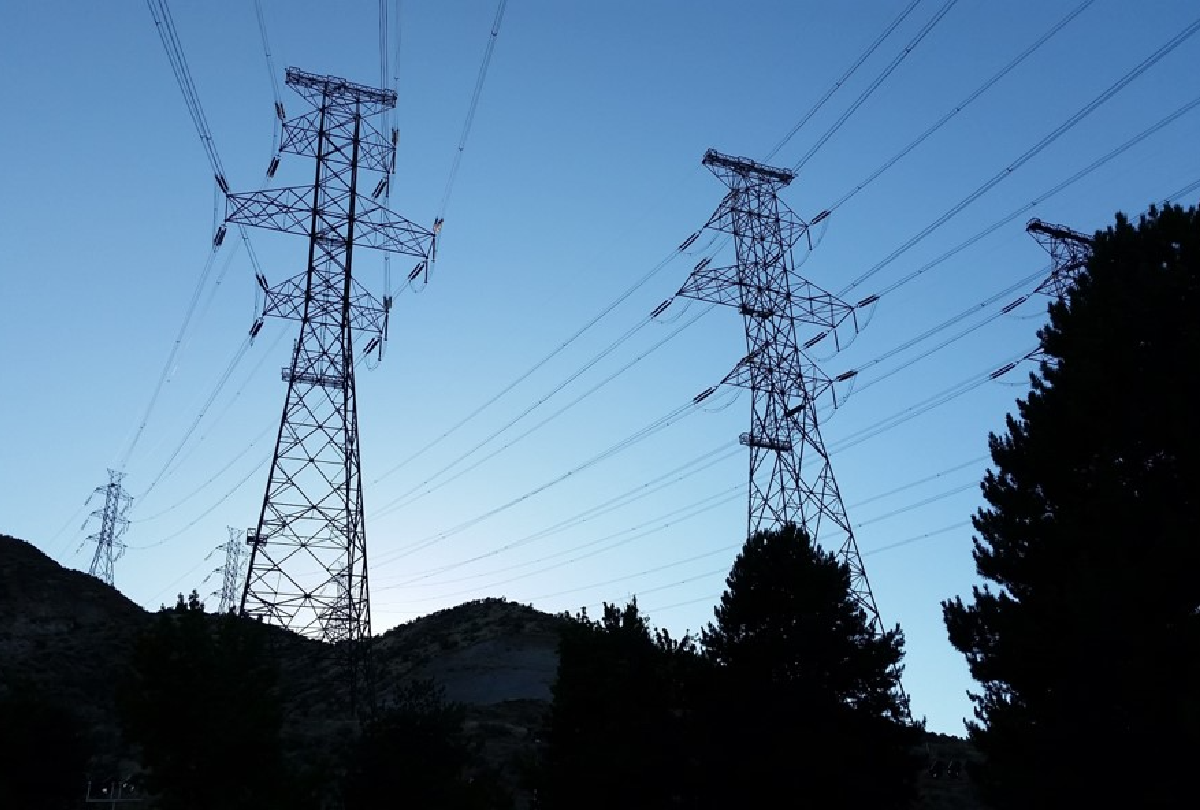
The report, titled Pathways to Regional Electricity Integration for Atlantic Canada, provides recommendations to create a unified system. A shared grid increases the use of renewable energy across the region.
Thomas McNeil serves as the senior energy coordinator for the Ecology Action Centre. He notes that leaders have discussed regional coordination for the electrical grid since the 1970s.
Our goal was to point to examples where this has been done successfully, regional coordination of electricity grids in North America, and say what has kind of worked, what have been the challenges, and then what are some possible pathways forward for Atlantic Canada,
McNeil said.
Looking at Successful Models
McNeil points to successful examples in the United States. Six states in New England integrate their grid planning and operations. The Southwest Power Pool services customers across 17 different states.
We are also very aware that these things do not happen overnight,
he said. You got to start walking down the road, and then you might get to a point where you have one systems operator, but you really got to start somewhere, and you know it has not happened yet in Atlantic Canada.
The Political Challenge
McNeil identifies politics as the biggest hurdle to starting a regional grid. The region needs an independent nonprofit organization to manage the system.
We have not really gotten this together to establish an organization that is a nonprofit that is independent of any government, that is independent of any private company that is responsible for maintaining reliability at lowest cost, and these are questions that are fundamentally political,
he said. We have not gotten it together to cooperate, but I think at this moment in time I am hoping that the winds are shifting.
He views this as a unique chance for provincial leaders to act.
This is an incredible moment, an incredible opportunity, for each of these premiers, and the premier in Newfoundland as well, to act with just unprecedented ambition when it comes to this idea of regional collaboration. These premiers could be the first in 65 years to not just understand this idea but actually take action on it,
McNeil said.
New Brunswick and Regional Leaders Respond
The idea is gaining traction among provincial leaders. In April, the New Brunswick government completed an independent review of NB Power. One key recommendation urged immediate discussions about establishing a Maritime Independent System Operator. The review advised the province to explore regional integration with other Maritime provinces.
Prince Edward Island Premier Rob Lantz recently confirmed he spoke with New Brunswick Premier Susan Holt and Nova Scotia Premier Tim Houston about a regional system operator. He called it an ongoing discussion.
Nova Scotia Energy Minister Marco MacLeod also expressed interest during a recent media availability. He said the federal government energy plan brings new attention to the concept.
There are many regional independent system operators across North America, and there are advantages to it,
MacLeod said. You can draw on the best available resource in the entire system, and I think you will find that in most cases a system will work better than individual utilities. So definitely if there are benefits, I am interested in that idea.
MacLeod confirmed early conversations with his Atlantic counterparts.
It is so early on, we need to keep looking at this, but I do believe as we work with our neighbours and with our federal government as well, I think it can benefit all of us,
he said. We are a small region out here, so we definitely should be looking at what we can achieve together.
Frequently Asked Questions
What is a regional electricity grid?
A regional electricity grid connects the power systems of multiple provinces or states. This allows them to share resources, improve reliability, and lower costs for consumers.
Why is this important for New Brunswick?
A recent independent review of NB Power recommended exploring a Maritime Independent System Operator. Sharing grid responsibilities with neighbouring provinces helps stabilize rates and integrate renewable energy sources.
Are other regions using shared grids?
Yes. Regions like New England and the Southwest Power Pool in the United States operate integrated grids successfully across multiple states.

0 Comments