
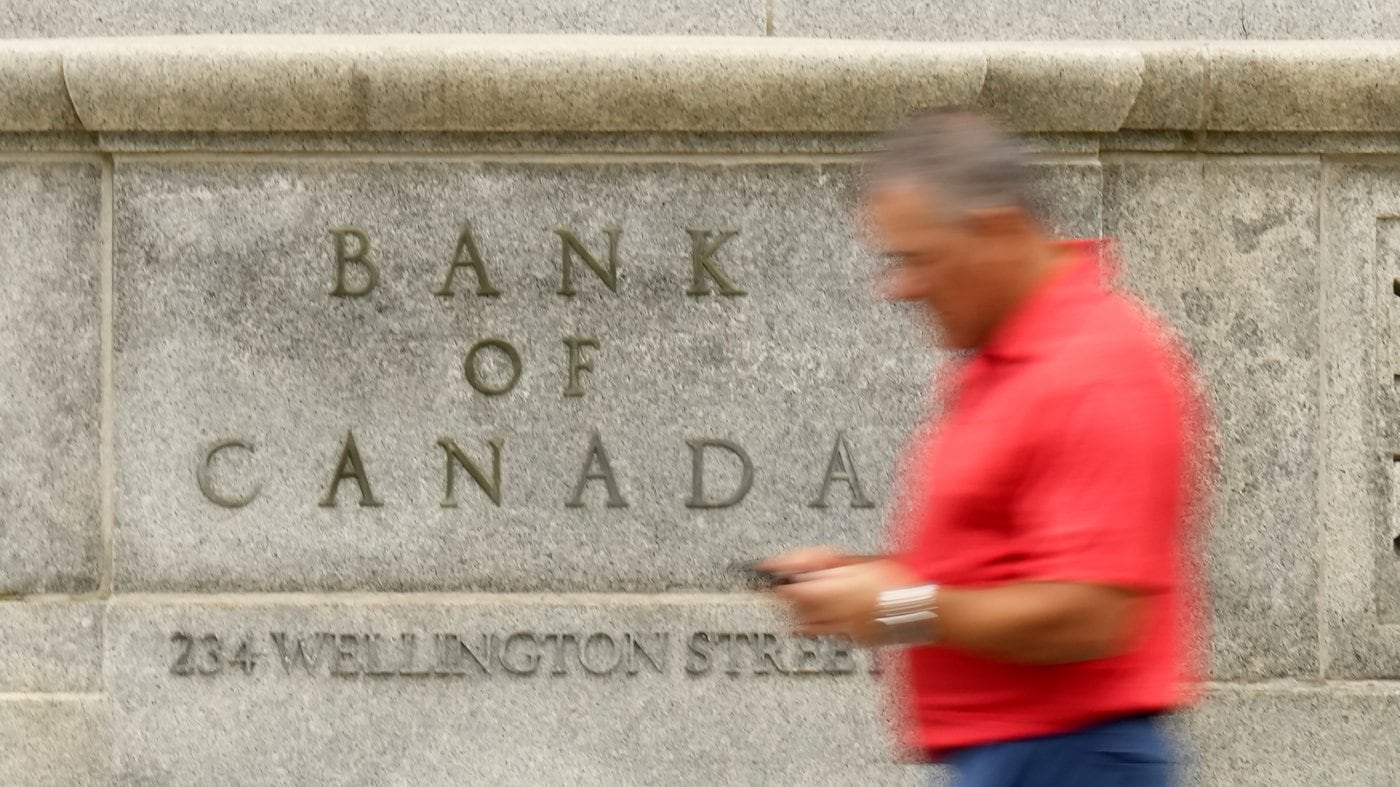
The Bank of Canada is preparing to announce its sixth interest rate decision of the year. This move directly affects your finances. Homeowners in Saint John and anyone planning to borrow money need to pay attention to this announcement.
How the Decision Impacts Your Wallet
Interest rates dictate the cost of borrowing money. When the Bank of Canada raises or lowers its benchmark rate, retail banks adjust their prime rates. This change immediately impacts variable rate mortgages and lines of credit. A rate drop means you pay less interest. A rate hold keeps your payments steady. A rate hike increases your monthly expenses.
Saint John residents dealing with high living costs feel these changes deeply. Lower rates provide relief for household budgets. Higher rates force families to tighten their spending.
What to Expect
According to CTV News, the central bank is weighing inflation data and employment numbers to make its choice. The bank aims to keep inflation near its two percent target. Recent economic shifts play a massive role in the final decision to cut rates again or hold them steady.
You will see the effects of this decision at your local bank branch within days. Fixed rate mortgages also shift based on the bond market reaction to the central bank announcement.
Frequently Asked Questions
What is the Bank of Canada benchmark rate?
The benchmark rate is the interest rate the central bank charges commercial banks to borrow money. It sets the foundation for all other interest rates in the country.
How quickly do interest rate changes affect my mortgage?
Variable rate mortgage holders see adjustments from their lender within a few days of the Bank of Canada announcement. Fixed rate mortgage holders keep the same rate until they renew their term.
Why does the Bank of Canada change interest rates?
The bank uses interest rates to control inflation. Raising rates cools down the economy and lowers inflation. Cutting rates stimulates the economy by making borrowing cheaper.


0 Comments