
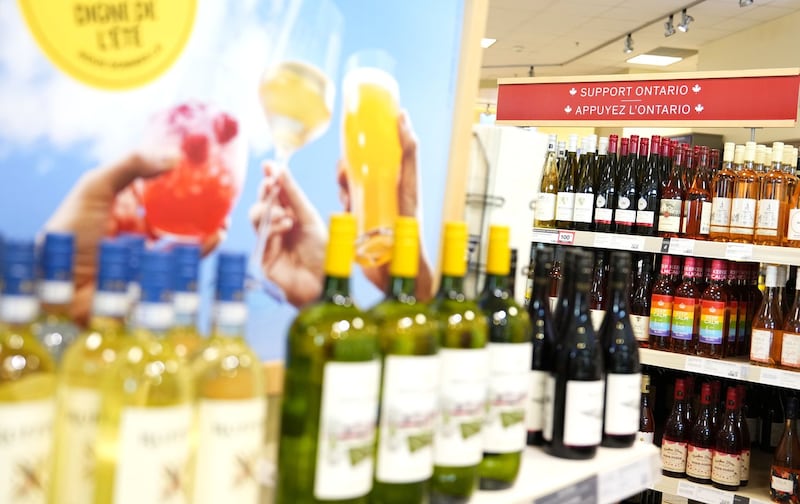
The United States plans to ban most imports of Canadian alcohol starting September 29. This move follows recent trade disputes and retaliatory duties from Canada. If you enjoy local craft beverages, you need to know how these international trade disputes impact our local economy. The ban affects producers across the country, and the impact hits close to home for Saint John residents.
Moosehead Breweries Faces Steep Tariffs
Saint John based Moosehead Breweries sends 15 percent of its beverages south of the border. The company already faces steep duties after trade negotiations fell apart last month. Andrew Oland, chief executive of Moosehead Breweries, said he is very disappointed to see alcohol dragged into the latest trade escalation.
The brewery currently absorbs the cost of 50 percent tariffs. To protect its shelf space and relationships with U.S. retailers, Moosehead is shipping as much beer as possible over the next three weeks.
Distilleries Take the Heaviest Hit
According to a report from CP24, Canadian distilleries suffer the most. Craig Johnston, chief economist at Farm Credit Canada, noted that distilleries ship more than half of their overall product to the U.S. market.
Finding new buyers in Canada or Europe proves challenging. The U.S. ban exempts Canadian whiskey and liqueur in bottles larger than four litres. However, Cal Bricker of Spirits Canada pointed out that producers rarely sell bottles of that size.
“For all intents and purposes, it is more or less a ban on Canadian whiskey,” Bricker said.
Distilleries cannot simply move production to the United States. Legal agreements dictate that you can only make Canadian whiskey in Canada.
Wine and Most Beer Remain Domestic
While Moosehead faces specific challenges, the broader Canadian beer and wine industries rely heavily on domestic sales. Luke Chapman, vice president of federal affairs at Beer Canada, stated that Canadians buy beer brewed overwhelmingly within the country.
The wine industry escapes the worst effects as well. Norman Beal, board chair of Ontario Craft Wineries, said only about one percent of all wine sales come from the U.S. market.
Frequently Asked Questions
When does the U.S. ban on Canadian alcohol begin?
The ban on most Canadian alcohol imports starts on September 29.
How does the ban impact Moosehead Breweries in Saint John?
Moosehead ships 15 percent of its beer to the U.S. market. The brewery currently absorbs 50 percent tariffs and rushes shipments to maintain its presence on American shelves.
Why do distilleries suffer more than breweries or wineries?
Canadian distilleries export more than half of their products to the United States. In contrast, the vast majority of Canadian beer and wine sells domestically.
Can Canadian whiskey makers move their operations to the U.S.?
No. Trade and legal agreements require Canadian whiskey to be manufactured exclusively in Canada.


0 Comments