
Federal leaders are negotiating with their American counterparts to remove 50 percent tariffs on Canadian goods. If you own a business or work in the forestry sector, these negotiations directly impact your livelihood. According to a recent report from CTV News, New Brunswick Premier Susan Holt is keeping her thoughts private until the final details emerge.
The Provincial Stance
Holt wants to see the final agreement before making a public judgment. She released a statement on Thursday outlining her position.
“I look forward to having ink on paper of a trade agreement that reflects the value of New Brunswick products and businesses,” Holt said. “We are expecting to see tariff reductions, and once the details have been finalized and shared, we will weigh in on the deal for New Brunswick.”
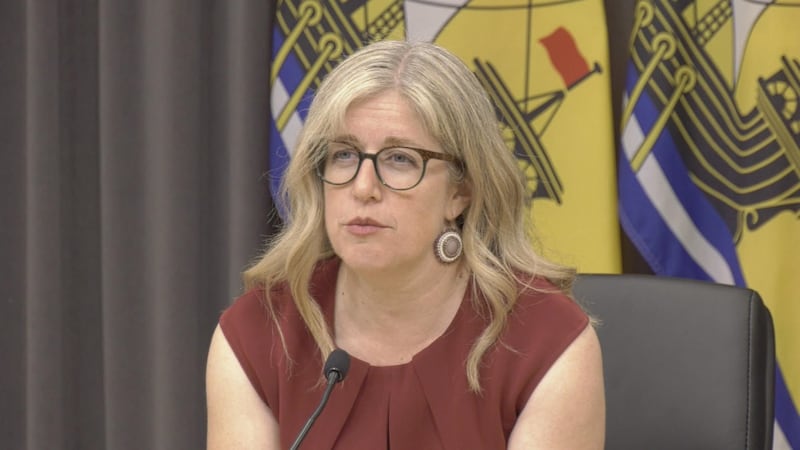
While the premier waits, her cabinet members are speaking up. Opportunities New Brunswick Minister Luke Randall says the province is ready to work with the federal government. He wants more details if the deal involves putting United States liquor back on New Brunswick shelves.
“We will be looking to see what the ask looks like, and we will be looking forward to working with our federal partners to get to a successful resolution,” Randall said.
Randall remains confident in the Canadian negotiation team. He notes the premier is in constant contact with the federal government. He also understands the need for a quick resolution to give local businesses certainty.
Impact on the Lumber Industry
The tariff threats hit hard for workers in the local lumber sector. Rick Doucett is the president of the New Brunswick Federation of Woodlot Owners. He says the industry already sees job losses for people cutting and transporting wood.
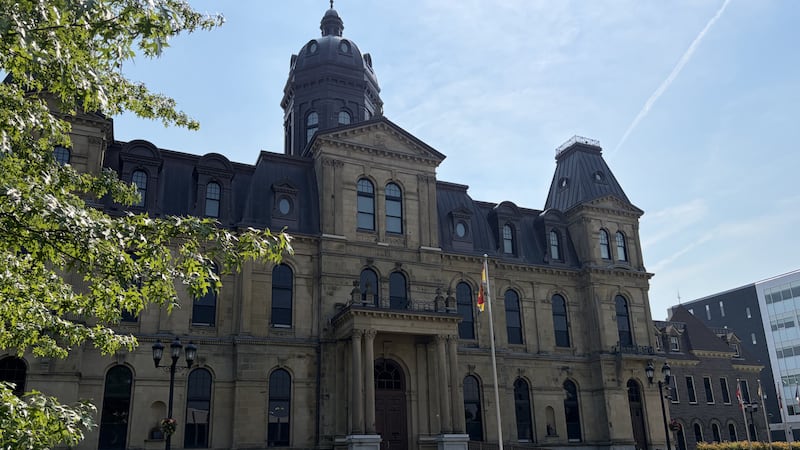
“When the mills are hit with these extra expenses, they often pass that expense, or a portion of that expense, onto the wood producer in the form of lower prices,” Doucett said. “And the margins for making money, cutting wood and trucking wood in New Brunswick are already very slim.”
Doucett notes revenue generated by private woodlot owners dropped by 50 percent over the last 20 years. The United States government hiked tariffs and duties on Canadian softwood lumber last year. The new threatened 50 percent tariffs add another heavy blow to the sector. Doucett hopes any new deal removes both the threatened tariffs and the increases introduced last year.
Looking Ahead for Local Businesses
Business representatives across the province are watching the negotiations closely. Morgan Peters serves as the CEO of the Fredericton Chamber of Commerce. He welcomes short term sustainability but stresses the need for internal economic improvements.
“At the same time, I think we have learned the lesson that we also have to keep at getting our own economic house in order,” Peters said.
Peters believes this includes diversifying business markets and reducing interprovincial trade barriers. He sees the trade relationship between Canada and the United States as forever changed.
“I do not think things will ever get back to normal, or what they were before,” Peters said. “But that is going to be part of any long term thing is kind of normalizing trade relations.”
Frequently Asked Questions
What is the current status of the Canada and United States trade negotiations?
Federal leaders are actively negotiating to remove threatened 50 percent tariffs on Canadian goods.
How is New Brunswick Premier Susan Holt responding to the trade talks?
Premier Holt is waiting for the final details of the agreement before sharing her official stance on how it impacts New Brunswick.
How do the tariffs affect the New Brunswick lumber industry?
The lumber sector is experiencing job losses and shrinking profit margins. Industry leaders want the removal of both the new threatened tariffs and the duty increases implemented last year.
What do local business leaders recommend for the future?
Business leaders suggest New Brunswick needs to diversify its markets and reduce trade barriers between provinces to build a stronger local economy.
0 Comments