
If you ever need to call an ambulance in New Brunswick, you want to know help is on the way. But right now, the province faces a critical shortage of emergency medical staff. New Brunswick needs 300 more paramedics to reach a fully staffed system. This gap leaves the current workforce stretched thin and vulnerable to burnout.
Recent numbers highlight the retention struggle. The province added 118 new paramedics to the roster in 2025 but lost 116 in the same period. According to a report from CTV News, these professionals leave for retirement, new positions, or opportunities in other provinces.
Derek Cassista serves as the deputy registrar of the Paramedic Association of New Brunswick. He notes that paramedics often leave the province to find expanded roles in health care. They want to do more for their patients.
Expanding Paramedic Capabilities
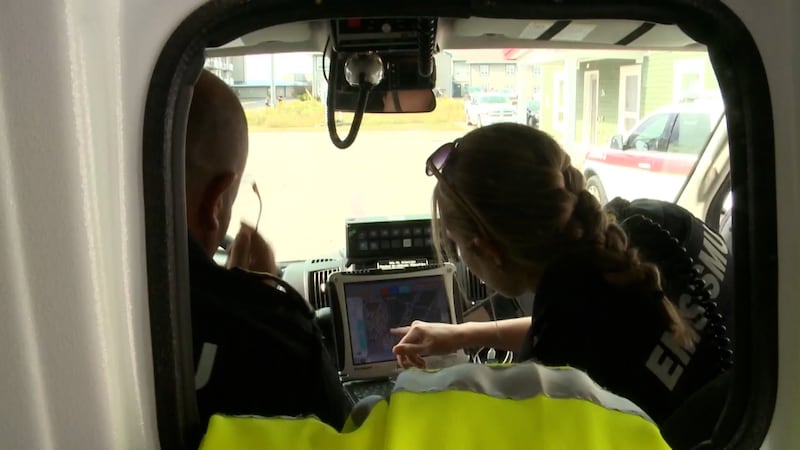
Image source: CTV News
The provincial government recently announced 2.5 million dollars in funding to equip ambulances with thrombolytics. These clot busting medications save lives during certain types of heart attacks.
Advanced care paramedics already have the training to administer this medication. Starting this summer, they will finally have the equipment to use it in the field. This move aligns New Brunswick with provinces like Ontario, British Columbia, Manitoba, Alberta, and Nova Scotia.
Health Minister Dr. John Dornan says this change directly addresses feedback from emergency workers.
“Paramedics have told us in their training programs, ‘The more we can do, the more we are happy,'” Dornan said.
Free Tuition Fills Empty Seats
The government also made a major move to attract new talent. The province now pays tuition for future paramedics in exchange for two years of service.
This initiative started as a pilot program last year and became permanent in April. Before this incentive, half of the seats in paramedic training programs sat empty.
Jean Pierre Savoie is the vice president of Ambulance New Brunswick. He confirms the tuition program completely changed the recruitment landscape.
“Most of the schools, all their seats are filled. Plus, they’re adding another class,” Savoie said.
Fighting Burnout on the Front Lines
While new graduates will take time to enter the workforce, the influx of students brings hope to current staff. A fully staffed system ensures ambulances stay on the road and allows paramedics to take much needed vacations.
Cassista points out that paramedics currently operate under immense pressure.
“Every day you come to work, and it feels like, you know, you’re the last hands available,” Cassista said. “It’s stressful and it adds to burnout. And definitely, if other recruiters come in from other provinces and say, ‘We’re going to bring you into our system,’ then they start to listen.”
Expanding the scope of practice and filling training programs offer a clear path forward. These steps aim to keep experienced paramedics in New Brunswick while building a strong foundation for the future.
Frequently Asked Questions
Why is New Brunswick experiencing a paramedic shortage?
The province is short 300 paramedics because workers leave for retirement, new career opportunities, or positions in other provinces that offer a broader scope of practice.
What are thrombolytics?
Thrombolytics are clot busting medications used to treat severe heart attacks. The province is investing 2.5 million dollars to equip ambulances with these life saving drugs.
How does the new tuition program work?
The provincial government pays the full tuition for paramedic students. In exchange, the graduates commit to working in New Brunswick for two years.
Will the tuition program fix the shortage immediately?
No. It takes time for students to complete their training and graduate. However, training programs are now operating at full capacity.

0 Comments