
Get your eclipse glasses ready again. On August 12 2026 a solar eclipse returns to North America and Saint John skywatchers have a great view of the partial event.
While observers in Iceland, Spain, and Greenland will experience a total solar eclipse, North America will see a partial eclipse. According to BBC Sky at Night Magazine, Atlantic Canada offers the best viewing locations on the continent.
What Saint John Will See
In Saint John, the moon will cover 28 percent of the sun. The partial eclipse reaches its maximum peak at exactly 2:55 p.m. ADT. You will need certified solar eclipse glasses to safely view the event.
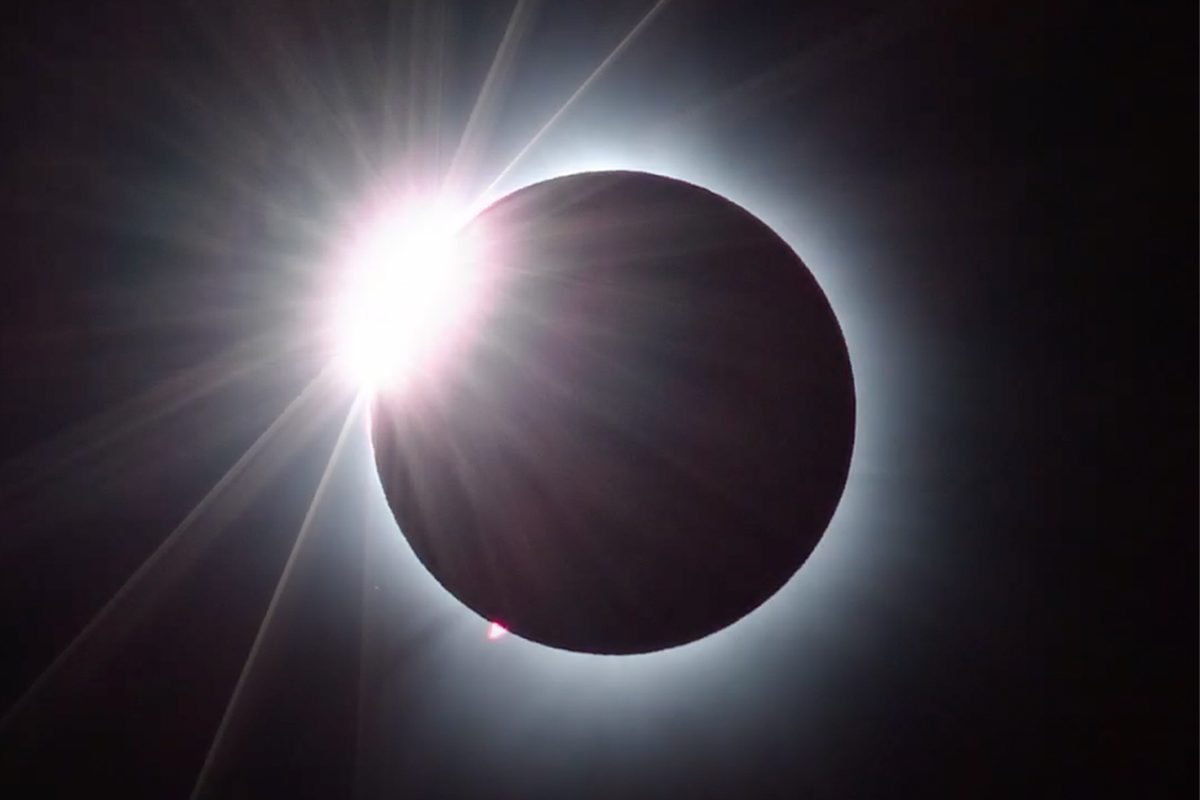
The April 8 2024 total solar eclipse captured by Stephan Hamel in Fredericton NB Canada. Credit: Stephan Hamel
Other parts of Atlantic Canada will see even more coverage. Halifax will experience a 31 percent eclipse at 3:00 p.m. ADT, while St. John’s, Newfoundland, will see a massive 53 percent coverage at 3:35 p.m. NDT.
A Double Feature in the Sky
The August 12 eclipse is only half the story. Later that same night, the annual Perseid meteor shower reaches its peak. This creates a perfect opportunity to plan a full day and night of stargazing.
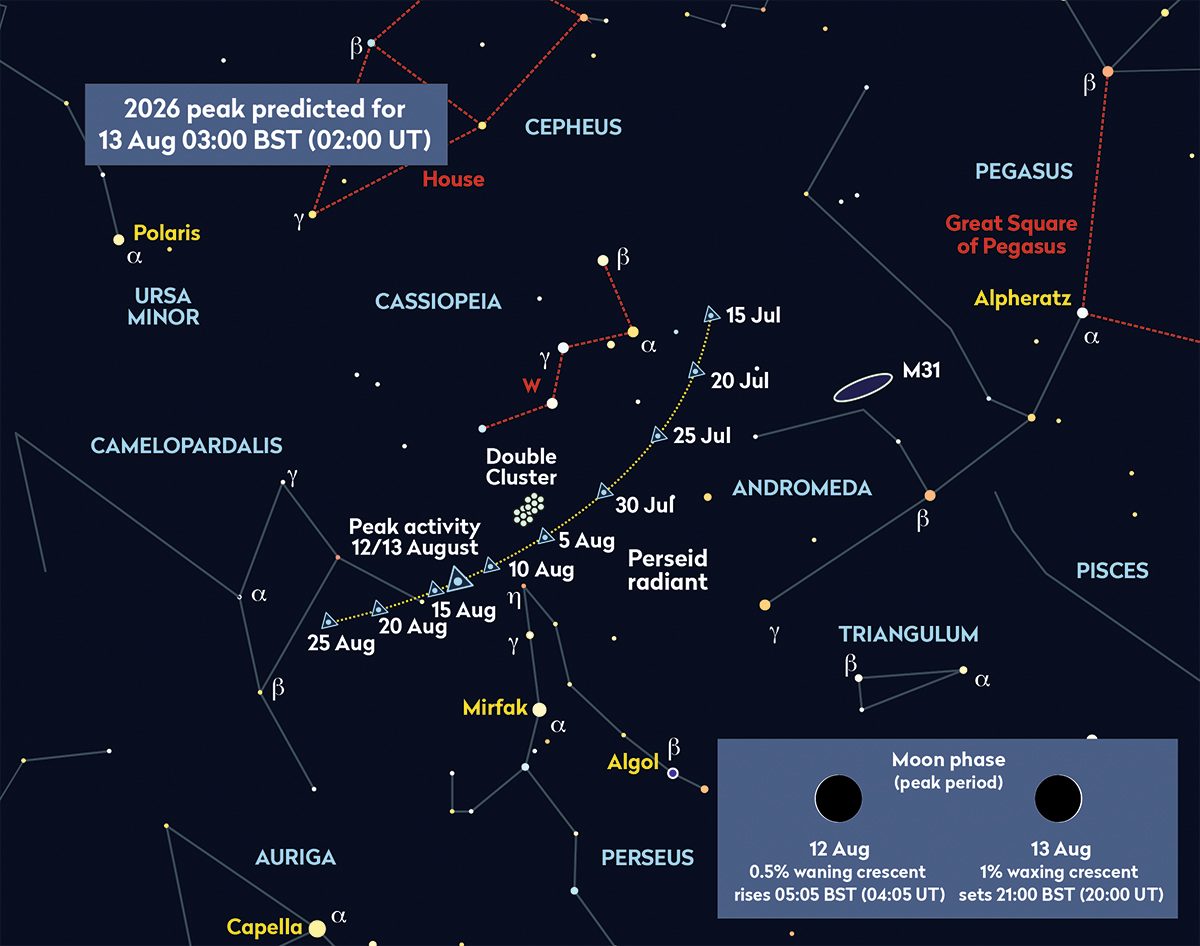
Chart showing the location of the radiant of the Perseid meteor shower 2026. Credit: Pete Lawrence
You can head to a dark sky site in the afternoon to watch the moon cross the sun, then stay through the evening to watch meteors streak across the sky.
Safety First
You must wear ISO certified eclipse glasses whenever you look directly at the sun. This rule applies throughout the entire event. If you plan to use binoculars, cameras, or telescopes, you must equip them with secure front mounted solar filters.
Frequently Asked Questions
When is the next solar eclipse visible in Saint John?
The next visible solar eclipse occurs on August 12 2026. It will be a partial eclipse.
What time does the 2026 eclipse peak in Saint John?
The partial eclipse reaches its maximum coverage in Saint John at 2:55 p.m. ADT.
How much of the sun will be covered in Saint John?
The moon will cover 28 percent of the sun during the peak of the eclipse in Saint John.
Do I need eclipse glasses for a partial eclipse?
Yes. You must wear certified solar eclipse glasses at all times when viewing a partial solar eclipse.



0 Comments