The Bank of Canada increased its policy interest rate by 25 basis points to 2.5 percent. This marks the first rate hike in three years. The central bank made this move to control inflation and prevent high global fuel prices from damaging the broader economy.
The Driving Forces Behind the Hike
Inflation in Canada sits at 3.1 percent. The Bank of Canada expects this rate to remain steady heading into 2027. Rising global energy prices and uncertain trade relations with the United States forced the central bank to act.
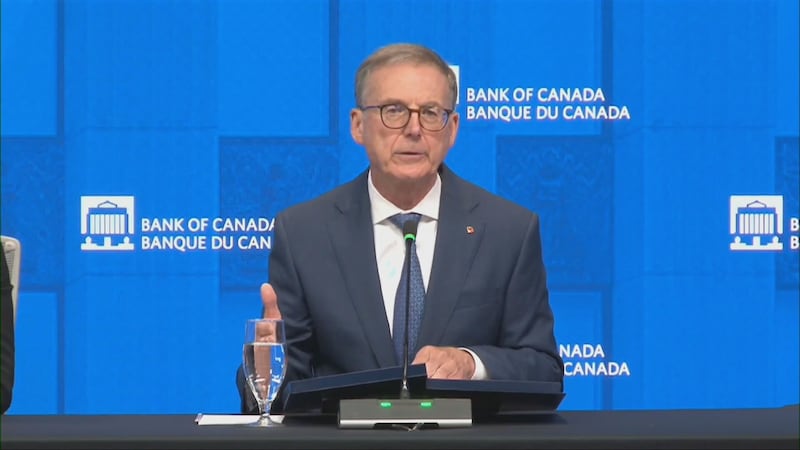
Bank of Canada Governor Tiff Macklem explained the decision. “We don’t want those higher energy prices to pass through and raise the prices of other goods and services that Canadians are buying,” Macklem says. “We don’t want them to pay for this twice.”
An Uncomfortable Economic Reality
Pedro Antunes is the chief economist for Signal49 Research. He notes this decision addresses a supply shock rather than a booming economy.
“Usually when the bank wants to act, it’s when the economy is really hot and the economy is really very strong,” Antunes says. He points to oil shortages stemming from the Strait of Hormuz as the primary culprit. The central bank now faces the uncomfortable task of cooling inflationary pressures in an already weak economy.
What This Means for Your Mortgage
If you own a home or plan to buy one, you will feel the impact immediately. Matt Honsberger is the president of Royal LePage Atlantic. He states variable rates will change and fixed rates will become more expensive.
“If the five year fixed rate goes up, then it means that they qualify for less money,” Honsberger says. Qualifying for less money limits your housing options. A higher monthly payment forces you to cut your budget elsewhere. Honsberger notes some buyers choose to keep renting instead.
New Brunswick Leaders Respond
Local politicians and business leaders want the provincial government to step in. New Brunswick PC MLA Don Monahan understands the need to curb inflation but stresses the need for local relief. He suggests targeting winter heating costs and suspending certain provincial taxes and user fees. Monahan also recommends lowering the small business tax to one percent.
Fredericton Chamber of Commerce CEO Morgan Peters worries about local businesses. Rising costs limit a company’s ability to invest in productivity and workforce expansion. Peters encourages business owners to utilize the enhanced small business investor tax credit offered by the New Brunswick government to offset increased borrowing costs.
The Bank of Canada expects interest rates to go up again in December.
Frequently Asked Questions
How much did the Bank of Canada raise the interest rate?
The Bank of Canada raised the policy interest rate by 25 basis points to 2.5 percent.
Why did the interest rate go up?
The central bank raised rates to control inflation driven by rising global energy prices and oil supply shortages.
How does this affect my mortgage?
Variable mortgage rates will increase immediately. Fixed mortgage rates will also become more expensive, which lowers the total loan amount you qualify for.
Will interest rates go up again this year?
The Bank of Canada expects another rate increase in December.
0 Comments