
The Canadian government recently introduced legislation that changes how federally regulated industries handle labour disputes. According to a recent analysis by The Conversation, the proposed changes to the Canada Labour Code aim to help unions and employers reach agreements faster and reduce economic disruptions.
The Building Canada Strong Act sits before the House of Commons. The government claims these labour provisions strengthen collective bargaining and protect the right to strike for workers. Jobs Minister Patty Hajdu states the changes reduce the government rate of intervention in strikes.
The historical record shows a different reality. The new rules formalize powers the government already uses to force an end to strikes. This means state intervention actually increases when negotiations drag on.
A Long History of Intervention in Saint John and Beyond
Canada has a long track record of stepping into labour disputes. This trend marks an ongoing erosion of labour rights that began in the 1970s.
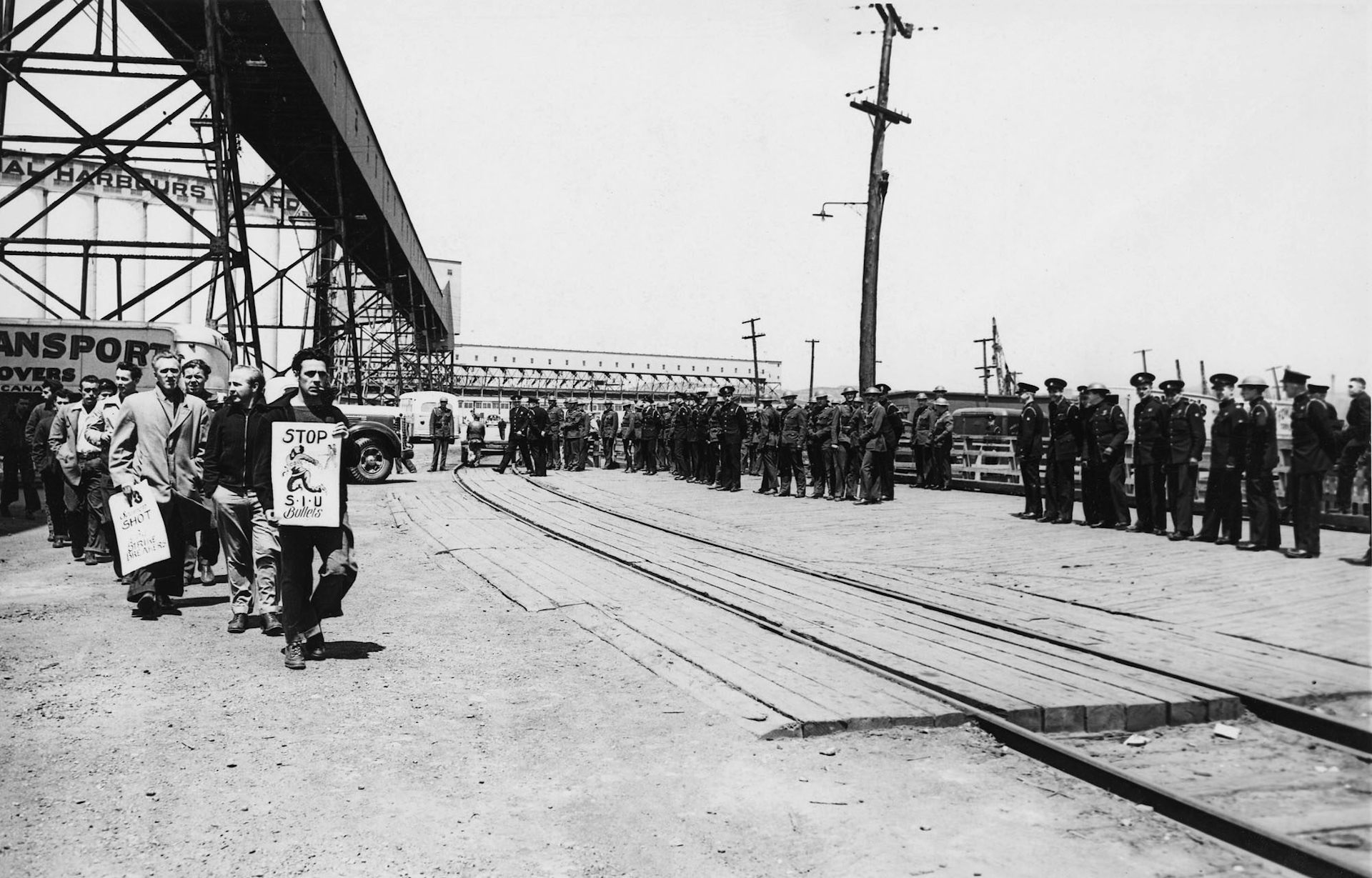
At the center of the current debate is Section 107 of the Canada Labour Code. The labour minister uses this section to refer disputes to the Canada Industrial Relations Board. In recent years, the government used this power to end legal strikes and lockouts through binding arbitration.
While Section 107 has existed since 1984, the government only started using it in 2011. Since 2023, Ottawa used it to intervene in disputes involving Canadian National Railway, Canadian Pacific Kansas City, Air Canada, Canada Post, and various ports.
Why Port and Rail Unions Matter to Your Workplace
The government emphasizes the need to prevent disruptions at ports and railways. Workers in these sectors hold immense structural power. When they withdraw their labour, they disrupt the movement of goods throughout the entire economy. This leverage proves especially important in a country that exports massive amounts of natural resources.
Curbing the ability to strike for port and rail workers affects your workplace too. It tells employers in other sectors to bargain aggressively and simply wait for the government to intervene.
The purpose of a strike is to create economic pressure that forces an agreement. When the government removes that pressure, the balance of power shifts heavily toward the employer. The Supreme Court of Canada recognizes this power imbalance and protects the right to strike under the Canadian Charter of Rights and Freedoms. Unions have already filed for judicial review of Section 107, initiating a major legal battle.
Frequently Asked Questions
What is the Building Canada Strong Act?
This federal legislation changes how labour disputes are handled in federally regulated industries like railways and ports.
How does Section 107 affect strikes?
Section 107 allows the federal labour minister to refer disputes to the Canada Industrial Relations Board. The government uses this tool to end legal strikes and impose binding arbitration.
Will this legislation face legal challenges?
Yes. Unions have already filed for judicial review. They argue that forcing binding arbitration violates the right to strike, which the Supreme Court of Canada protects under the Charter of Rights and Freedoms.


0 Comments