
A proposed data centre in west Saint John plans to keep its water consumption low. However, the project faces heavy scrutiny over its large energy needs and projected greenhouse gas emissions. According to a recent report from CBC News, the environmental impact assessment reveals significant challenges for the city.
Water Usage Remains Low
Alberta based Beacon New Brunswick and Texas based VoltaGrid are the companies behind the project. They plan to use a closed loop water cooling system. This design significantly reduces water consumption compared to older open loop systems. The initial infill requires about 3.5 million litres of water.
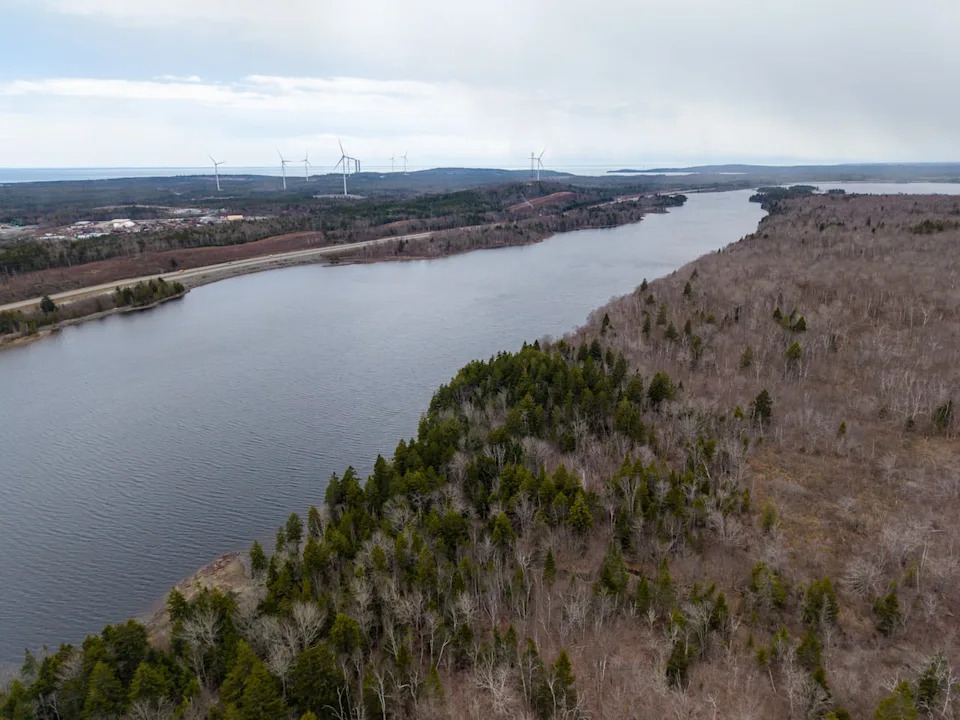
You see this amount is a small fraction of what other local industries use. For context, the Irving Pulp and Paper mill and NB Power Coleson Cove generating station pull a combined average of more than 110 million litres of water a day from Spruce Lake.
Saint John Mayor Donna Reardon supports the closed loop approach. She compares the system to household cast iron radiators.
“The water consumption is manageable,” Reardon said. “Once they’re filled up, that’s it. They stay full, and the water just circulates around.”
High Power Demands and Emissions
While water use remains low, the facility requires 390 megawatts of power. VoltaGrid plans to build an on site natural gas plant to supply 190 megawatts. The remaining 200 megawatts come directly from NB Power.
VoltaGrid CEO Nathan Ough claims the facility is the cleanest burning natural gas power plant in Canada. Despite this claim, the plant releases roughly 755,187 tonnes of greenhouse gases annually. This output makes the data centre the third highest industrial emitter in New Brunswick, sitting just behind the Irving Oil Refinery and the NB Power coal plant in Belledune.
If you follow local environmental issues, you know data centres act like small cities when it comes to power consumption. Green Party Leader David Coon notes they strain the existing grid and increase emissions when they rely on fossil fuels.
“We’ve got targets to meet, and you add those kinds of large greenhouse gas emissions into the system, it’s going to make it difficult to meet the targets in our climate Change Act in the law,” Coon said.
Community Pushback in Lorneville
The companies plan to build the facility on a 120 hectare parcel in the Lorneville Industrial Park. Last September, the Saint John city council voted unanimously to rezone the land for this expansion.

Local residents are pushing back. Chris Watson helps lead the Save Lorneville group. He argues the project destroys high functioning wetlands and old growth forests.
“This project is being placed on some of the worst possible land for this kind of development,” Watson said. “You simply don’t put a hyperscale data centre and gas plant on top of land like this, next to people’s homes and water wells.”
Mayor Reardon trusts the environmental impact assessment process to protect the area. She acknowledges the city needs new business development to cover operating costs but insists the city does not destroy the environment to get it.
If approved, construction begins this year. The companies expect the facility to open for commercial operations in 2028.
Frequently Asked Questions
Where is the new data centre located?
The facility sits on a 120 hectare parcel of land in the Lorneville Industrial Park in west Saint John.
How much water does the data centre use?
The facility uses a closed loop cooling system that requires an initial fill of about 3.5 million litres of water. This is significantly less than other major industrial operations in your city.
Why are people concerned about the environment?
The on site natural gas plant emits over 750,000 tonnes of greenhouse gases every year. Local residents also worry the construction destroys wetlands and old growth forests in the Lorneville area.
When does the data centre open?
If the project receives all necessary approvals, construction starts this year. The companies plan to begin commercial operations in 2028.



0 Comments