
A rare and contagious form of skin cancer affecting catfish is drawing international researchers to New Brunswick. Scientists want to know if a transmissible melanoma discovered in a lake along the Quebec and Vermont border has spread into local waterways.
Tracking the Spread
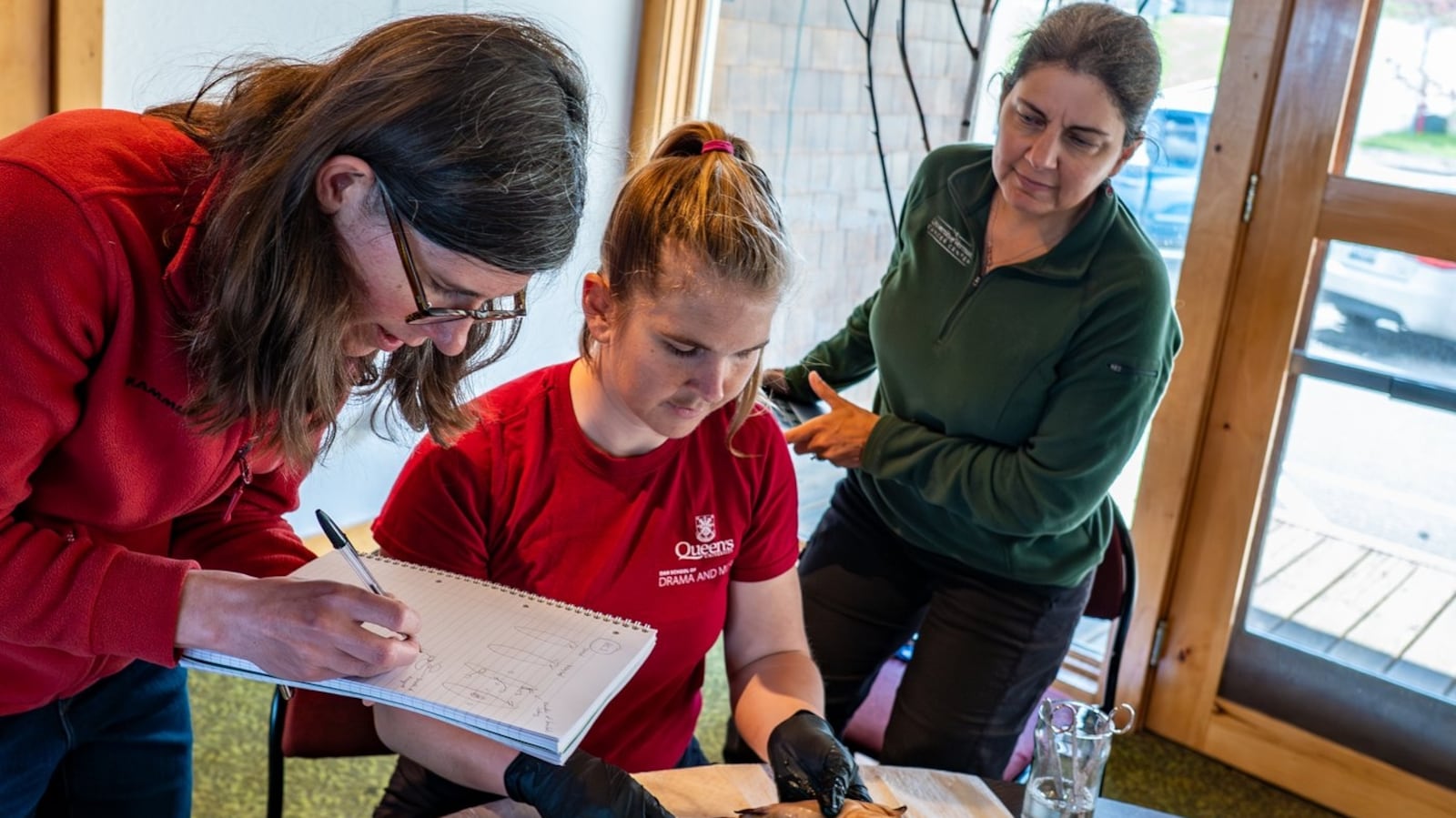
Scott Young has fished New Brunswick lakes and rivers for 40 years. Over the years, he frequently spotted brown bullhead catfish covered in dark spots. In May, Young took University of Cambridge researcher Zoe Clarke out on his boat to collect these spotted fish. Clarke believes the lesions are the same contagious cancer first identified hundreds of kilometres away.
Clarke expects DNA sequencing results in the coming weeks. These results will confirm if the local catfish carry the same transmissible cancer found in Lake Memphremagog.
“How the heck did this happen? Why is it here?” Clarke said. “That is the kind of thing that we are going to be devoting a lot of our energy to over the next few years.”
A Rare Biological Phenomenon
Scientists studied raised black growths on brown bullhead catfish between 2014 and 2018. They determined the growths were skin cancer. A recent study from the University of Vermont confirmed the melanoma is transmissible. This marks the first known case for any fish or freshwater ecosystem.
This catfish melanoma is only the fourth distinct lineage of naturally occurring transmissible cancer found in the animal kingdom. Researchers previously found similar cancers in dogs, Tasmanian devils, and some shelled aquatic creatures.
Julie Dragon is an associate professor of microbiology and molecular genetics at the University of Vermont. She helped lead the study and noted that genome sequencing showed the tumours are clone copies of one another.
In typical cancers, tumours closely match the host DNA. However, analysis of the catfish tumours revealed they are genetically distinct from their hosts. The cancer stems from a single parasitic cell line that originated in one catfish and now physically spreads from fish to fish.
What This Means for New Brunswick
Researchers confirmed the cancer exists in lakes in New Hampshire and Maine. They do not believe it started in Lake Memphremagog. Now, they need to find the origin point.
Clarke plans to return to New Brunswick next year to sample fish along the less populated areas of the Saint John River.
If you come across a catfish with lesions, researchers want your help. They ask the public to freeze whole specimens for testing and send photos and location data to Dragon.
While the disease sounds alarming, it poses no threat to people. “There is no evidence that it could spread to a human,” Dragon said. However, wildlife officials advise against eating fish with obvious lesions or growths.
Frequently Asked Questions
Can humans catch this cancer from catfish?
No. Researchers confirm there is no evidence the cancer can spread to humans.
Should I eat a catfish that has dark spots or lesions?
Wildlife officials recommend you do not eat fish with obvious lesions or growths.
What should I do if I catch a catfish with these spots?
Researchers ask you to freeze the whole specimen and email photos along with the location data to their team for testing.
Where else have researchers found this contagious cancer?
Scientists confirmed the cancer in Lake Memphremagog on the Quebec and Vermont border, as well as in lakes across New Hampshire and Maine.



0 Comments