
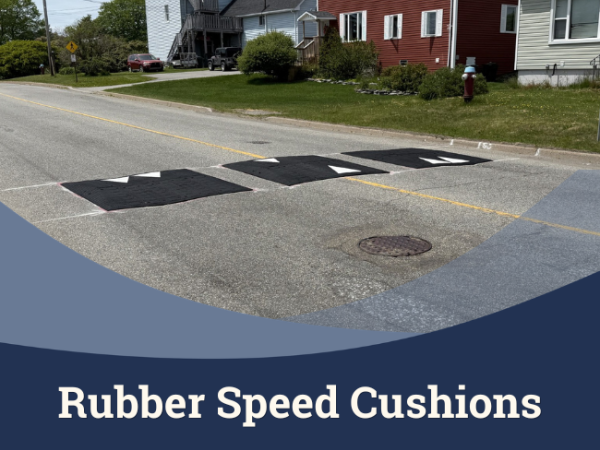
If you drive along Mount Pleasant Avenue East, you will notice a new addition to the road. The City of Saint John recently installed rubber speed cushions to slow down traffic and make the streets safer.
Testing a Temporary Solution
Unlike traditional asphalt speed bumps, these new cushions consist of durable rubber bolted directly into the pavement. This setup allows the city to measure how effectively they slow down drivers before committing to permanent asphalt structures.
City crews monitor the site throughout the trial period. In the fall of 2026, workers will remove the rubber cushions and relocate them to another trial location. Officials then use the data gathered from Mount Pleasant Avenue East to decide on permanent traffic calming measures for that route and other busy roads.
Rising Demand for Safer Streets
Speed cushions work. Data shows they reduce average vehicle speeds by 9 km/h. This drop in speed leads to a 28 percent decrease in the risk of collisions. Because of these proven results, residents want more of them in their neighborhoods.
Over the past five years, public requests for traffic calming measures skyrocketed by more than 400 percent compared to the previous four year period. The city only installs these structures on streets that meet the strict criteria outlined in the Saint John Traffic Calming Policy.
For more details on this project, you can review the official release from the City of Saint John.
Frequently Asked Questions
Why is the city using rubber instead of asphalt?
Rubber speed cushions bolt directly to the road. This allows the city to temporarily test their impact on traffic flow and speed before spending money on permanent asphalt installations.
How long will the rubber cushions stay on Mount Pleasant Avenue East?
The city will keep the rubber cushions in place until the fall of 2026. After that, crews move them to a different trial site.
Do speed cushions actually stop speeding?
Yes. Measurements show that speed cushions reduce vehicle speeds by an average of 9 km/h and cut the risk of collisions by 28 percent.
How does the city decide where to put speed cushions?
Officials only place speed cushions on streets that meet specific speeding criteria set out in the municipal Traffic Calming Policy.
Why don’t you go to the source of the problem instead of “band-aid” solutions. Why? Lack of policing. With approximately 35 off the job, there is not enough officers on the street. Speeders know there is little chance of being caught. Speed bumps are causing their own problems. Signage is being hid behind branches (Champlain Drive) and with no notice, the bumps are causing damage to vehicles. Policing has become non-effective due to their time required with homeless, mentally challenged people and drug addiction.
I sometimes have to wonder about “traffic calming” , and lord help you if you somehow miss the slowdown needed to provide less than a bracing, possibly vehicle damaging hit. I’m thinking of Douglas Avenue, Churchill Blvd. I wonder when an accident is going to occur myself. Then there are the often pointless “Stop” signs on subdivision roads even when there are no other vehicles in sight. “Slow” doesn’t seem to count these days. Make things either for the cop write-ups, without adding safety for pedestrians?