
If you live near Sussex or Saint John, you will want to keep an eye on a major mining development happening right in your backyard. The proposed Millstream Potash Project recently completed its archaeological impact assessment and is gearing up for a busy summer of drilling.
Moving Forward with Provincial Support
According to a recent report from CTV News, the Atlantic Potash Millstream Corporation officially filed its assessment report with the New Brunswick government. This marks a significant step forward for the region’s resource sector.
Company CEO and director Keith Attoe made the organization’s intentions clear. “New Brunswick has made clear that it wants its mineral resources developed and that is exactly what we are doing,” Attoe said in a news release. “We have been advancing Millstream steadily and deliberately, through environmental assessment, community engagement, and technical work. We are ready to be the kind of partner the province is looking for.”
Summer Drilling Plans
The corporation will launch a summer drill program featuring two boreholes reaching roughly 1,100 metres deep. Logan Drilling will collaborate on the project to collect essential rock mechanical and processing data. Once the teams extract the core samples, ERCOSPLAN, a German engineering consultancy group, will analyze the materials to inform the final mine design.
Long Term Economic Impact
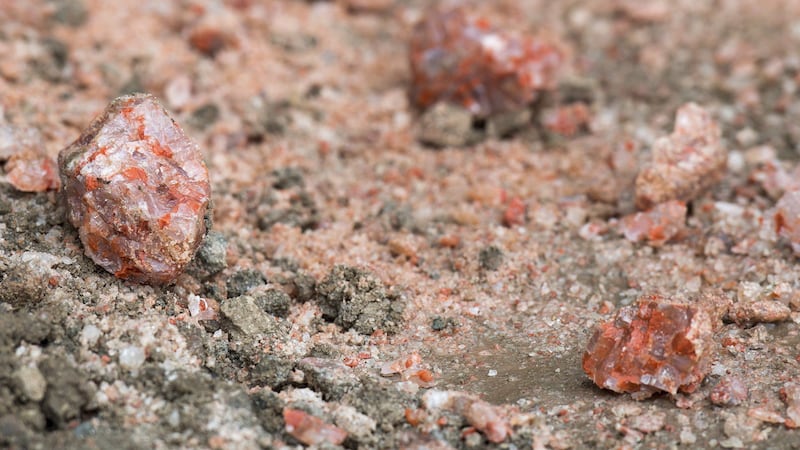
This project holds massive potential for the local economy. The proposed site contains a measured 52.1 million tonnes of potassium chloride. Farmers and agricultural businesses rely heavily on this specific compound as a common potash fertilizer.
Experts expect the deposit to support an active mine for 25 years. At full capacity, the site will produce two million tonnes of potash every single year. This level of production brings long term job security and economic growth to the Sussex area and the broader Saint John region.
Frequently Asked Questions
Where is the Millstream Potash Project located?
The proposed mining project is located near Sussex, New Brunswick.
What are the immediate next steps for the project?
The company will drill two 1,100 metre boreholes this summer to collect core samples for engineering and mine design analysis.
How much potash will the mine produce?
The mine will produce two million tonnes of potassium chloride per year over an expected 25 year lifespan.



Why not just save the money and take over and restart the existing former PotashCorp. Concentrator and mine facility.
It barely got rolling when Nutrien mothballed it.
Will the province open the door to mine and develop our natural gas reserves?