
New Brunswick residents face a massive surge in tick populations this year. Milder winters and inconsistent weather patterns created the perfect breeding ground for these parasites. While a hot summer provides a brief break, experts warn that spring and fall remain high risk seasons.
According to a recent report from Your Saint John, Mount Allison University biology professor Vett Lloyd says the province experienced a huge crop of ticks this spring. She expects another massive wave in the fall.
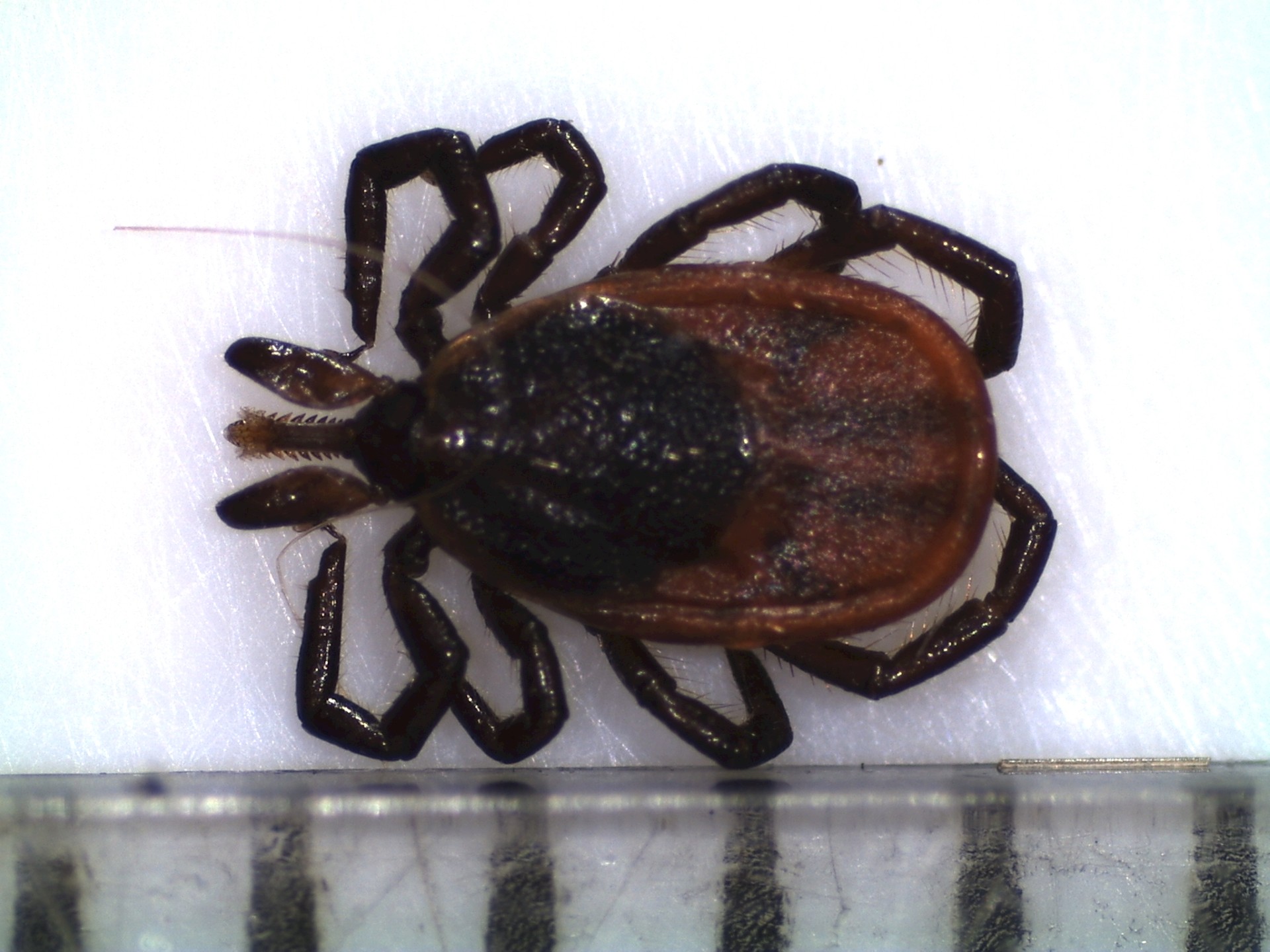
Why Tick Numbers Are Climbing
Ticks thrive in unstable climates. Prolonged freezing temperatures kill them. However, shorter and inconsistent snowfalls insulate them. This allows ticks to survive the winter and emerge hungry when the weather warms up.
Lloyd notes that favorable spring weather boosted populations in southern and coastal areas near the Saint John, Miramichi, and Restigouche rivers.
“With the climate not only getting warmer, but more unstable, we’ll have boats of it being warmer,” Lloyd explained. “That’s actually perfect for the ticks, because they are protected by the snow during snowy bits and then it gets warm, they can get out and snatch a meal, and they go back to the ground when it gets colder again.”
Extreme summer heat forces ticks to hide in the soil. This offers you a temporary reprieve. They do not die in the heat. They simply wait for the cooler and damper days of fall to return.
New Diseases on the Rise
Ticks feed on the blood of wild animals and transmit diseases to humans and pets. A single full meal allows a female tick to produce up to 3,000 offspring.
Beyond Lyme disease, New Brunswick sees rising cases of anaplasmosis and babesiosis. These zoonotic illnesses become serious quickly if left untreated.
“Those are new diseases to us, just like COVID was a virus our bodies have never seen before and it hit hard,” Lloyd said. “So, we are very vulnerable to those diseases and the more ticks we have the more exposure you are going to have.”
How to Protect Yourself and Your Pets
You can take several steps to prevent tick bites while enjoying the outdoors.
First, check eTick.ca. This website helps you identify tick species and monitor local populations through an interactive map.
Apply bug spray that specifically targets ticks. Follow the label instructions and reapply frequently. If you work outdoors, wear permethrin treated clothing for extra protection.
Perform frequent tick checks during and after outdoor activities. Look closely in a mirror before showering.
“You are looking for spots on your skin about a freckle size that were not there before. If those freckles have legs, that’s not good,” Lloyd advised.
Protect your pets by using veterinary tick medication and getting them vaccinated against Lyme disease.
What to Do If a Tick Bites You
If you find a tick attached to your skin, remove it immediately with tweezers. The longer a tick remains attached, the higher your risk of infection.
“The sooner you get the tick off you, the less chance you have of getting that particular infection, because it can take time for the tick to give you the disease causing microbe,” Lloyd said.
After removal, you can submit a photo of the tick to eTick.ca for identification. You can also send the tick for disease testing through private companies like Geneticks or the Research and Productivity Council lab in Fredericton.
New Brunswick pharmacists offer publicly funded preventive antibiotics for high risk bites. Bring the tick or a clear photo to your pharmacist. They will evaluate the risk and prescribe doxycycline if necessary.
Do not let ticks keep you indoors. Prepare properly, use bug spray, and always check for ticks when you return home.
Frequently Asked Questions
What time of year are ticks most active in New Brunswick?
Ticks are most active during the spring and fall. They prefer cooler and damper weather. During extreme summer heat, they hide in the soil to stay cool.
How do I safely remove a tick?
Use clean tweezers to grasp the tick as close to your skin surface as possible. Pull upward with steady and even pressure. Do not twist or jerk the tick.
Can my pharmacist help if I get a tick bite?
Yes. New Brunswick pharmacists can assess your tick bite and prescribe a preventive dose of antibiotics like doxycycline if the bite is deemed high risk. This service is publicly funded.
What new tick borne diseases are spreading in New Brunswick?
Along with Lyme disease, health officials report rising cases of anaplasmosis and babesiosis. These diseases require prompt medical treatment.



0 Comments