
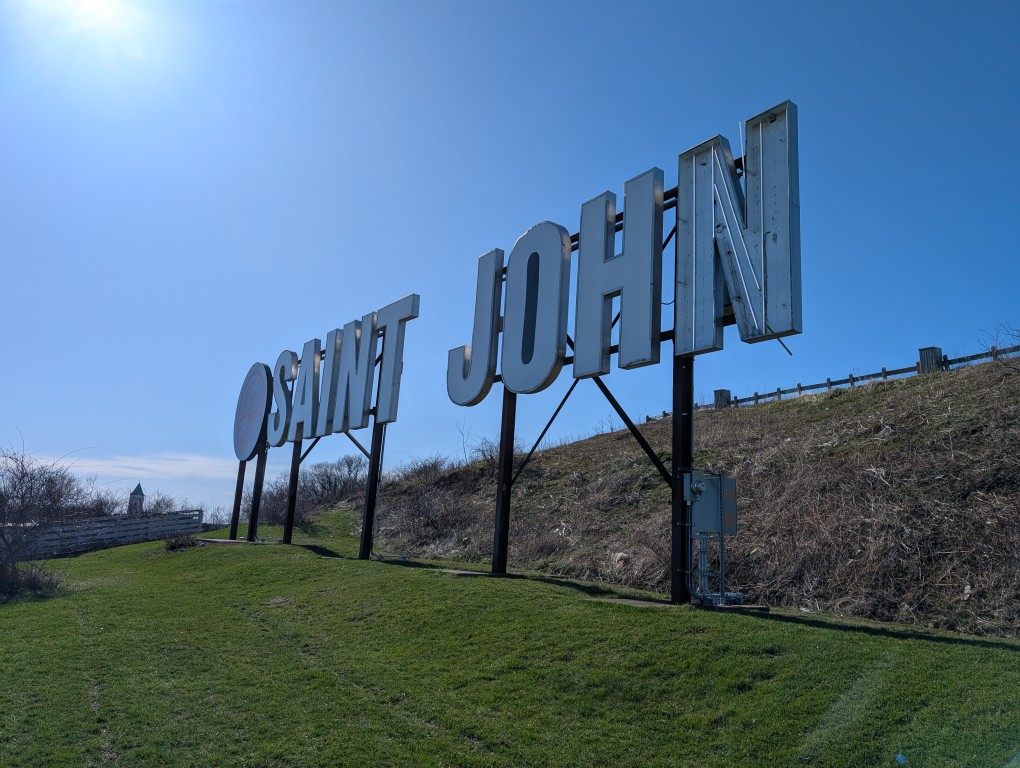
The City of Saint John is shutting off its iconic sign on April 22 to mark Earth Day. This move supports the Conscious Consumption theme set by Earth Day Canada for 2026. By going dark, the city reminds residents that small everyday choices about energy use lead to significant environmental change.
Tracking Environmental Progress
The city backs this symbolic gesture with solid environmental progress. In 2025, Saint John cut its corporate greenhouse gas emissions by 30.2 percent compared to 2015 levels. That drop removes 6,936 tonnes of carbon dioxide from the atmosphere each year. To put that in perspective, it equals taking 1,508 cars off the road or powering 1,208 homes for an entire year.
Saving Money and Energy
City Council recently approved a new Energy Policy. As part of this update, Saint John applied ISO 50001 Energy Management practices to five of its major facilities. These buildings consume over 1.3 million dollars in energy annually. Improved efficiency reduces energy consumption and emissions by 15 to 20 percent, saving taxpayers more than 200,000 dollars over the next three to five years.
Looking to the Future
The municipal government spends about 8.5 million dollars on energy every year. Proper energy management cuts costs and supports the ultimate goal of becoming a carbon neutral organization by 2040 and a carbon neutral community by 2050. Officials encourage you to participate by conserving energy, reducing waste, and choosing reusable items in your daily routine.
Frequently Asked Questions
When is the Saint John sign turning off?
The city turns off the sign on April 22 to recognize Earth Day.
What is the theme for Earth Day 2026?
The theme is Conscious Consumption, which focuses on making mindful choices regarding energy use and daily resources.
How much has Saint John reduced its greenhouse gas emissions?
As of 2025, the city reduced its corporate emissions by 30.2 percent compared to 2015 levels.
When does the city plan to become carbon neutral?
Saint John targets becoming a carbon neutral organization by 2040 and a carbon neutral community by 2050.


0 Comments