
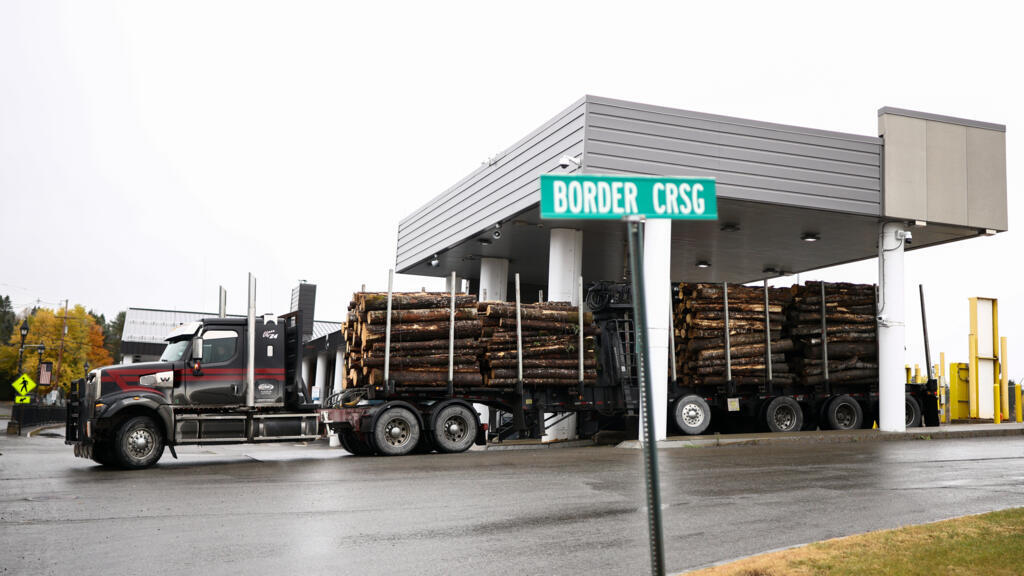
The ongoing trade dispute between the United States and Canada is straining deep roots in our region. If you live near the border, you know how closely New Brunswick and Maine rely on each other. For decades, communities shared close family and business connections. Now, steep tariffs disrupt the local logging industry and cross border tourism.
According to a recent report from France 24, the economic fallout hits northern Maine and neighboring New Brunswick hard. President Donald Trump placed tariffs of up to 50 percent on Canadian goods last year. These goods include logging equipment and wood products. Ottawa retaliated with its own tariffs on US lumber and furniture.
Economic Pain Across the Border
The tariffs cause immediate financial pain for local businesses. Shawn Pelletier is a brewery co owner in Caribou, a city with extensive ties to New Brunswick. He notes that the tariffs will economically hurt the northern region.
Garrett Martin serves as president of the Maine Center for Economic Policy. He explains that the economic pain is far reaching. Canadian visits to Maine dropped 43 percent in the first year of the tariffs. This decline depresses shop sales and tax revenue.
The forest industry feels the squeeze. Maine boasts an eight billion dollar forest industry that relies heavily on Canadian markets. Dana Doran directs the Professional Logging Contractors of the Northeast. He points out that tariffs on trucks, logging equipment, and wood products drive prices up 30 to 50 percent.
Strained Community Relationships
For two centuries, Canadian mills near Maine processed vast amounts of timber. The border communities share intertwined business and family relationships. Doran says the tariff conversation adds unfortunate friction to this longstanding dynamic.
Some US businesses support the protectionist measures. Jason Brochu is a co owner of Pleasant River Lumber Company in Enfield. He believes the tariffs create a level playing field against subsidized Canadian lumber operations.
Looking Ahead
Trump recently announced a temporary pause on tariffs for Canadian wood products just ahead of the US midterm elections. However, the instability leaves lasting marks. Martin warns that rebuilding trust between Mainers and Canadians will take a long time.
Frequently Asked Questions
What caused the current trade dispute?
The United States placed tariffs of up to 50 percent on Canadian goods, including logging equipment and wood products. Canada retaliated with tariffs on US lumber and furniture.
How does this affect New Brunswick?
New Brunswick shares deep economic and social ties with Maine. The tariffs disrupt cross border trade, increase costs for the logging industry, and reduce cross border tourism.
Are any businesses benefiting from the tariffs?
Some US sawmills report benefits. Owners claim the tariffs protect them from competing with subsidized Canadian lumber operations.
Will the tariffs end soon?
The US recently announced a temporary pause on tariffs for Canadian wood products. The long term future of these trade policies is unknown.

0 Comments