

Image source: Lars Hagberg for The Canadian Press
A collapsed trade agreement will cost Canada 102,000 jobs. A new report from Oxford Economics prepared for the Canadian American Business Council outlines the severe economic fallout if the Canada US Mexico Agreement dies. New Brunswick stands right in the crosshairs.
According to the original report covered by The Canadian Press, New Brunswick ranks among the provinces most vulnerable to this trade breakdown. If you work in forestry, manufacturing, or transportation in Saint John, this dispute directly impacts your livelihood. The industries facing the deepest cuts include wood products, paper products, metals, and machinery.
The Cost of a Trade War
The United States also faces massive losses. The report projects 214,000 American jobs will vanish in 2027 without the agreement. Lower disposable income will force households to reduce consumer spending. This drop in investment reduces demand for transportation, construction, and professional services across both borders.
Beth Burke serves as CEO of the Canadian American Business Council. She stresses the need for clear strategies during these negotiations.
“The economic consequences are real and we should go into any negotiation with eyes wide open,” Burke said.
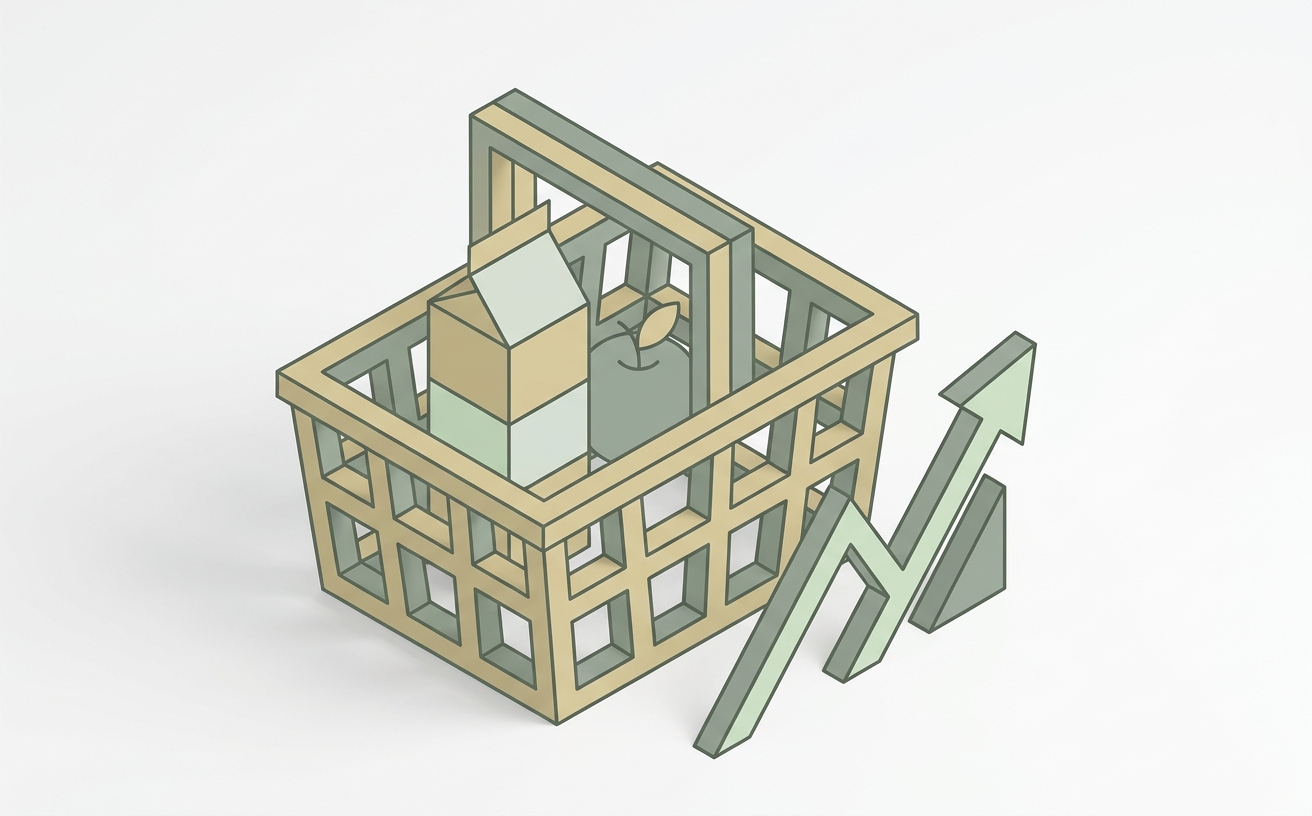
A successful renegotiation creates 137,000 American jobs and 98,000 Canadian jobs. It also puts money back in your pocket. The report calculates a successful deal saves Canadian households 846 dollars every year.
Looming Tariffs and Worker Protection
Time is running out. A new round of 50 percent American tariffs on various Canadian goods takes effect on August 19. Unlike previous tariffs from US President Donald Trump, these include no exemptions for goods that comply with the current trade agreement.
Bea Bruske is the president of the Canadian Labour Congress. She demands immediate government action to protect local industries.
“There are real jobs on the line, and the government needs to be ready to defend them,” Bruske said. “But protecting Canadian workers cannot mean signing a bad deal because Donald Trump threatens to walk away. Canada needs to know what it is fighting for, where the red lines are, and what the plan is to protect workers and communities if the US walks away.”
Looking Beyond the Border
Canadian officials continue to meet with United States Trade Representative Jamieson Greer in Washington. Trade Minister Dominic LeBlanc confirms discussions remain ongoing to defend Canadian interests.
While trade with the United States faces hurdles, Canada sees growth elsewhere. The federal government wants to double exports to other countries over the next decade. Recent data shows exports of goods and services to other nations reached 96.2 billion dollars in the first quarter of this year.
However, replacing the intricate supply chains built over decades between Canada and the United States requires massive transition costs. Businesses will face long term efficiency losses if the current agreement fails.
Frequently Asked Questions
What happens to New Brunswick if the trade deal ends?
New Brunswick ranks as one of the most affected provinces. The province will see significant job losses in key sectors like wood products, paper products, and machinery.
How many jobs will Canada lose?
The report projects Canada will lose 102,000 jobs if the agreement collapses.
When do the new tariffs start?
The United States plans to implement a 50 percent tariff on a range of Canadian goods starting August 19.
Will a new agreement help the economy?
Yes. A successful renegotiation creates 98,000 Canadian jobs and saves the average Canadian household 846 dollars annually.

0 Comments